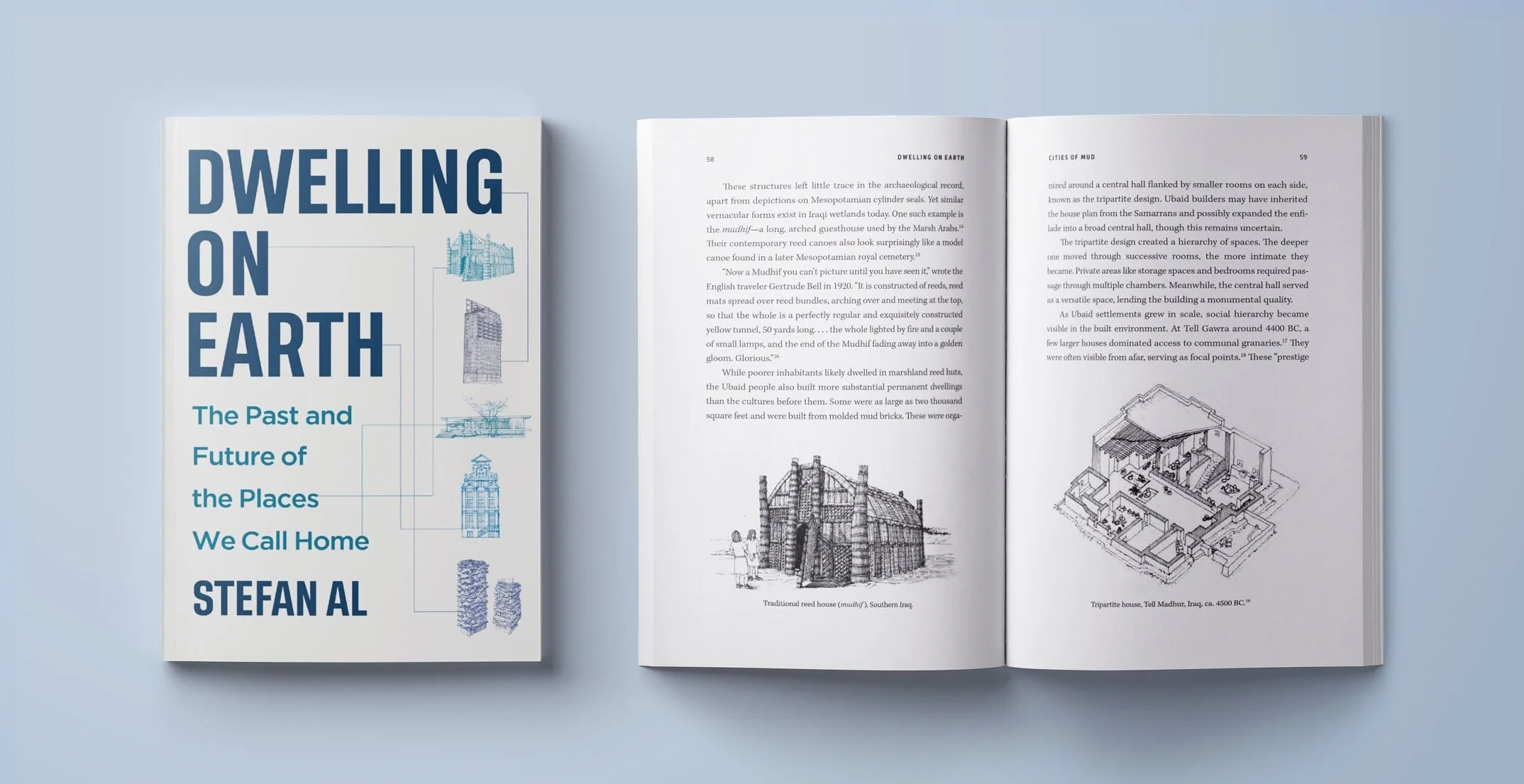
Dwelling on Earth: The Past and Future of the Places We Call Home
From the author of Supertall (NYT, WSJ) and The Strip (IPPY Silver Medal)
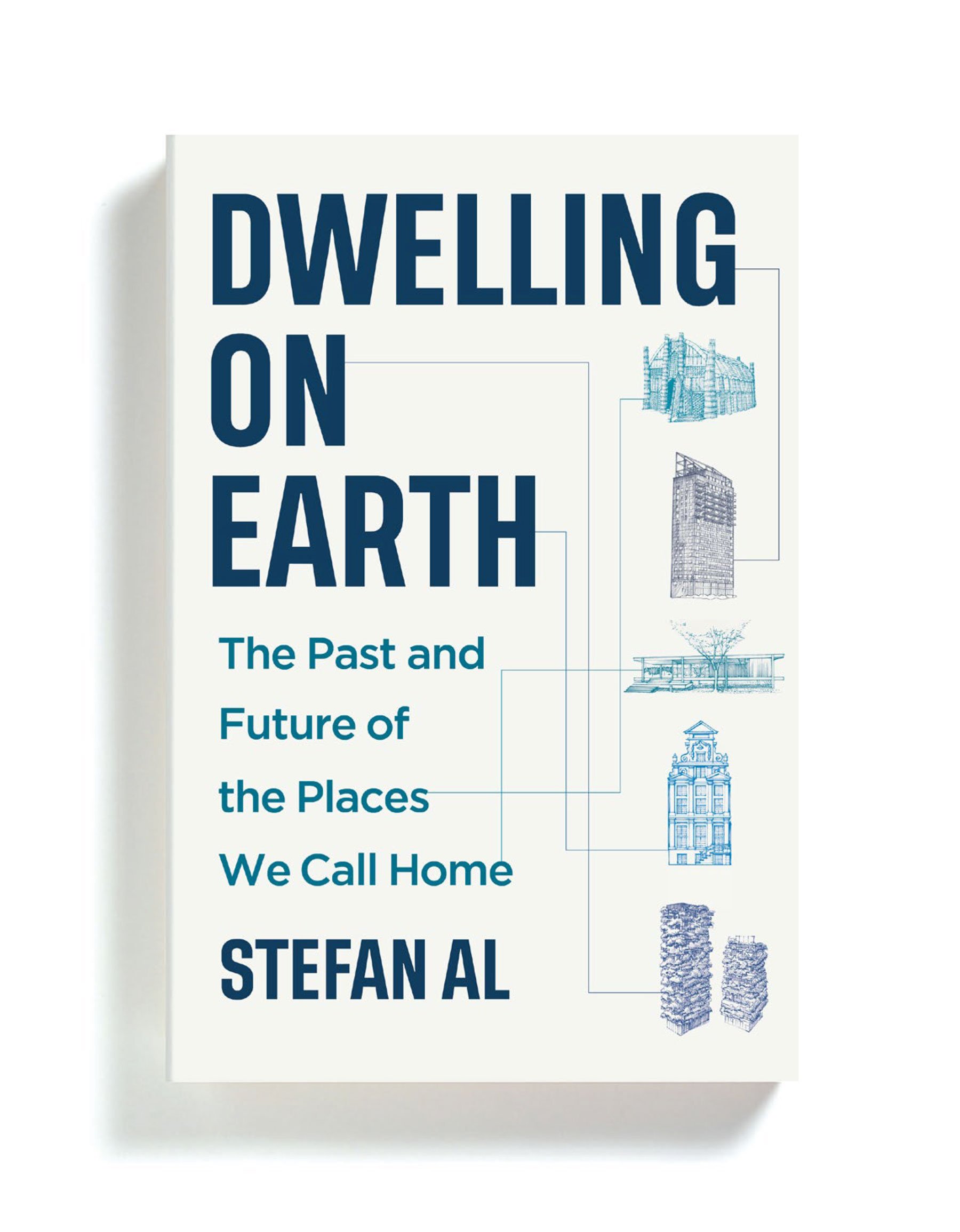
Dwelling on Earth: The Past and Future of the Places We Call Home. W.W. Norton, 2026.
“Why your home is the most consequential thing humans have ever built.”
Gold Medal Winner, Independent Publisher Book Awards
Named a “Next Big Idea Club Must-Read”
“Well-written, well-illustrated, and filled with fascinating anecdotes” —Library Journal, Starred Review
"A brisk, entertaining survey that manages to compress 2 million years of human habitation into 258 pages" —South China Morning Post
“Stefan Al’s spirited account looks at what humans have got right and wrong when making their dwellings.” —The Irish Times
Now being translated into four languages
Watch the video trailer
Video trailer of “Dwelling on Earth: The Past and Future of the Places We Call Home” by Stefan Al
A sweeping history of humanity’s most fundamental creation—the home—and its effects on the land, cities, and people themselves.
Americans spend, on average, 90 percent of their lives indoors, with two-thirds of that time spent in their homes. Globally, the construction and maintenance of residential buildings account for a staggering portion of carbon emissions. In this timely and fascinating work, architect and urban-planning scholar Stefan Al deftly weaves together archaeology, engineering, social history, and environmental science to explain how our homes have developed through the ages and in turn shaped civilization and the planet itself.
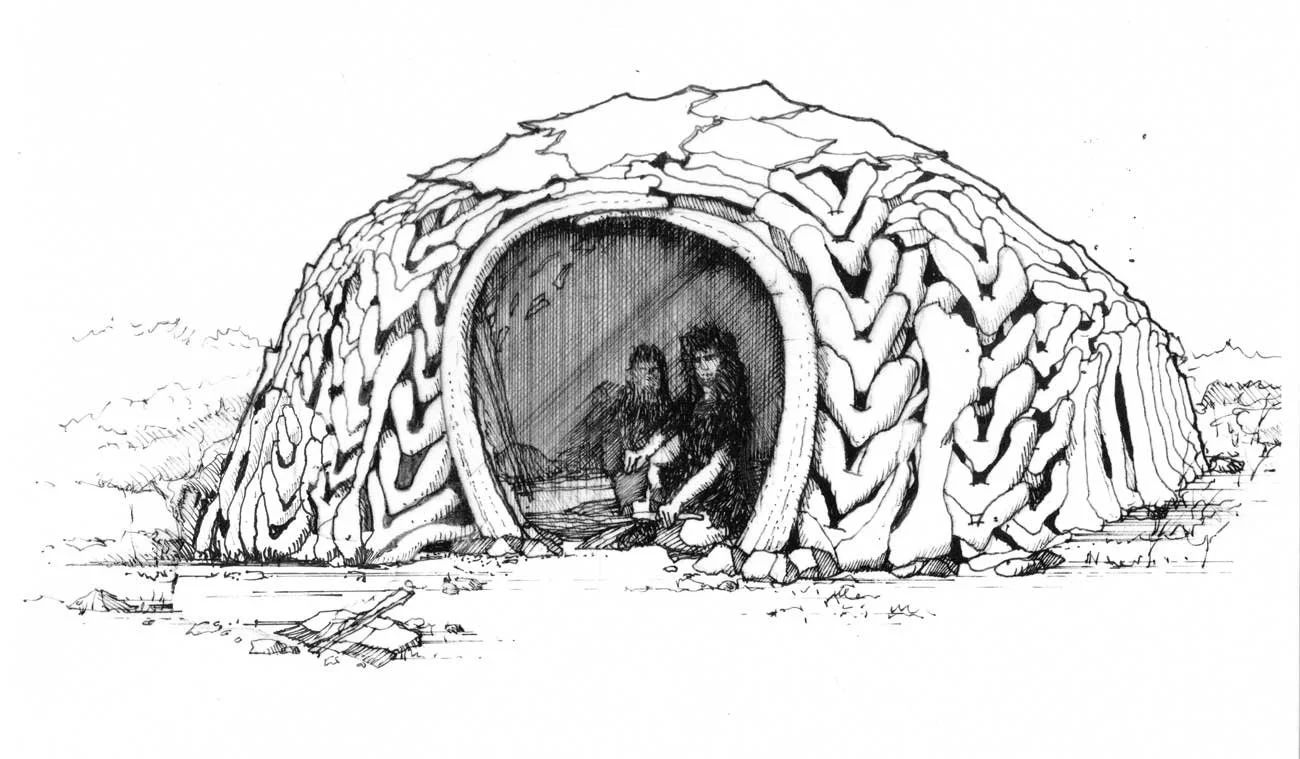
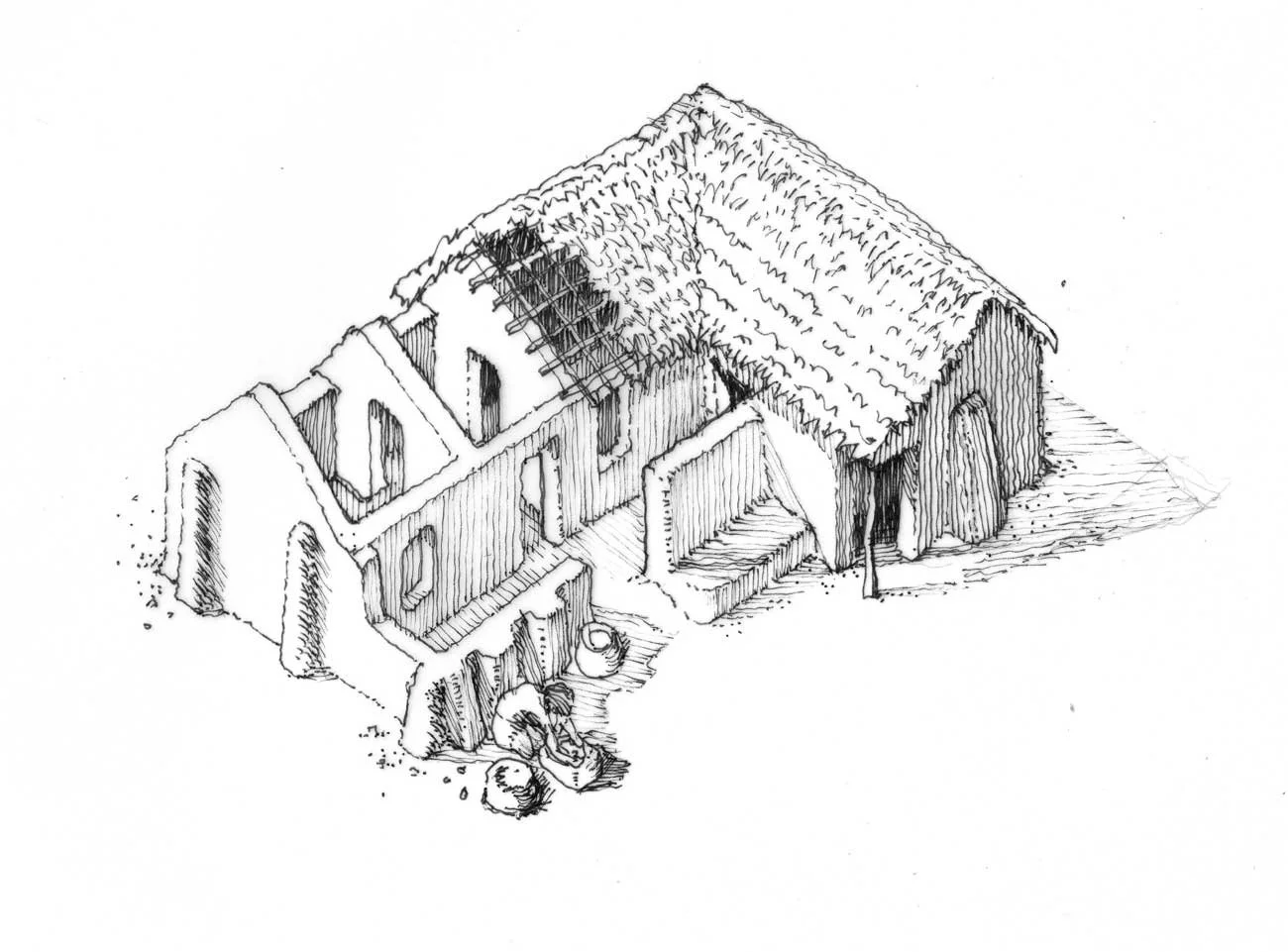
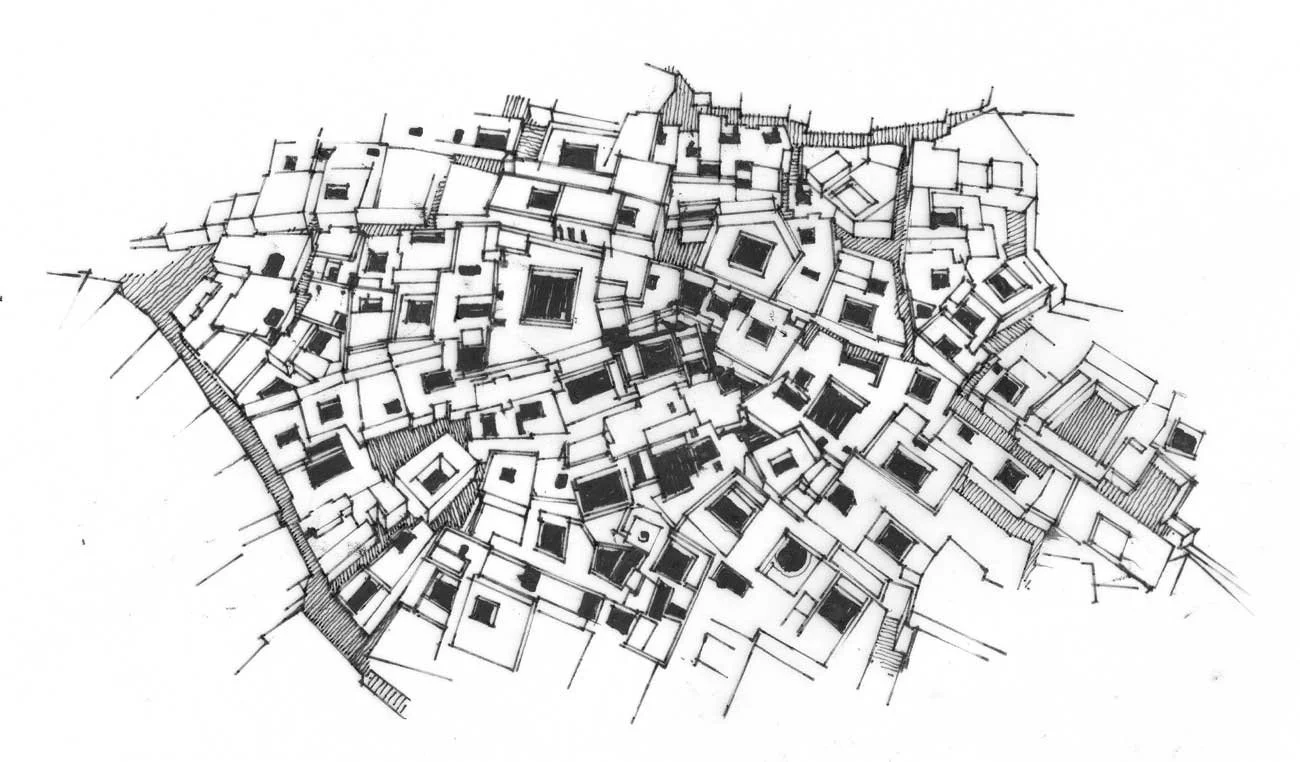
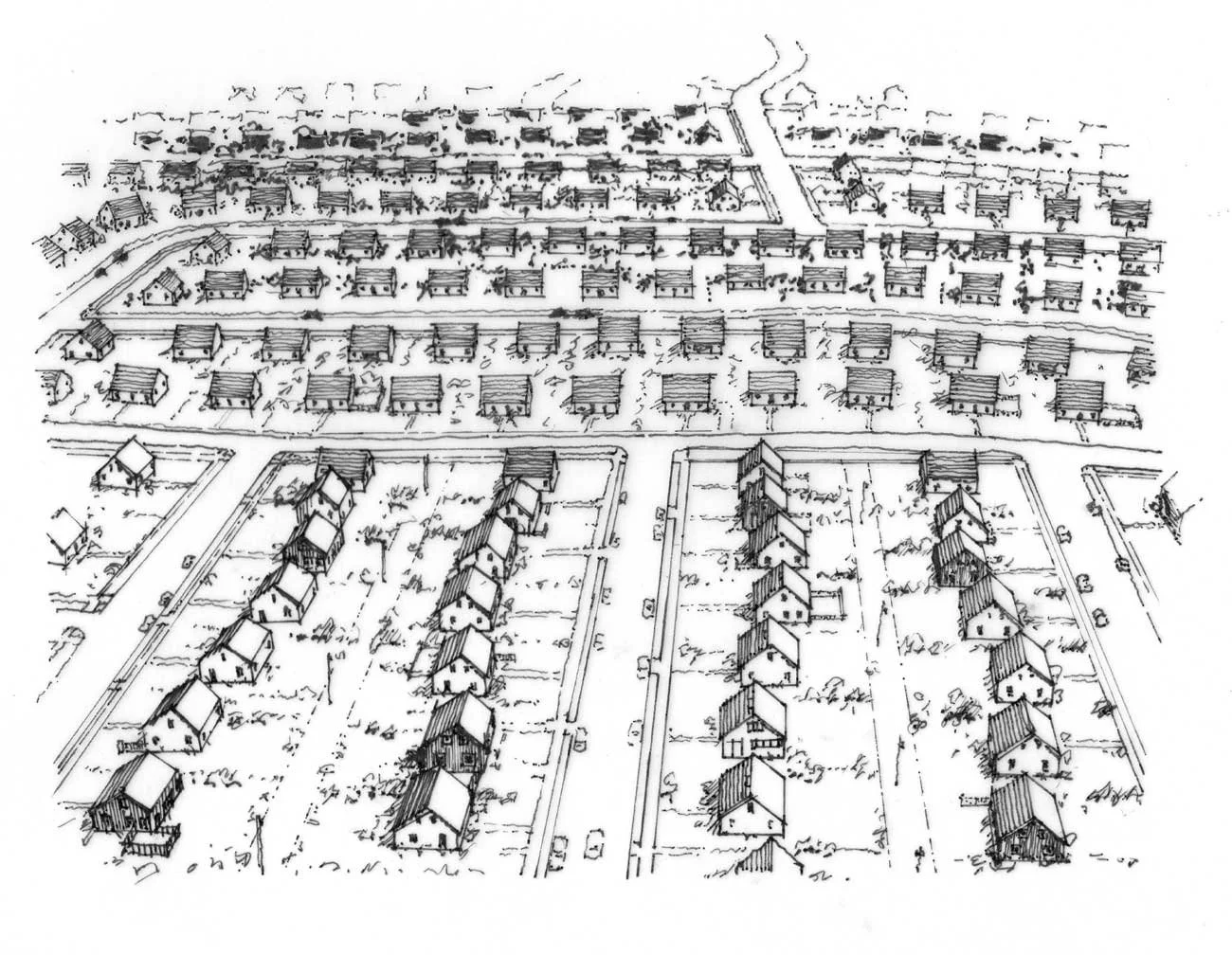
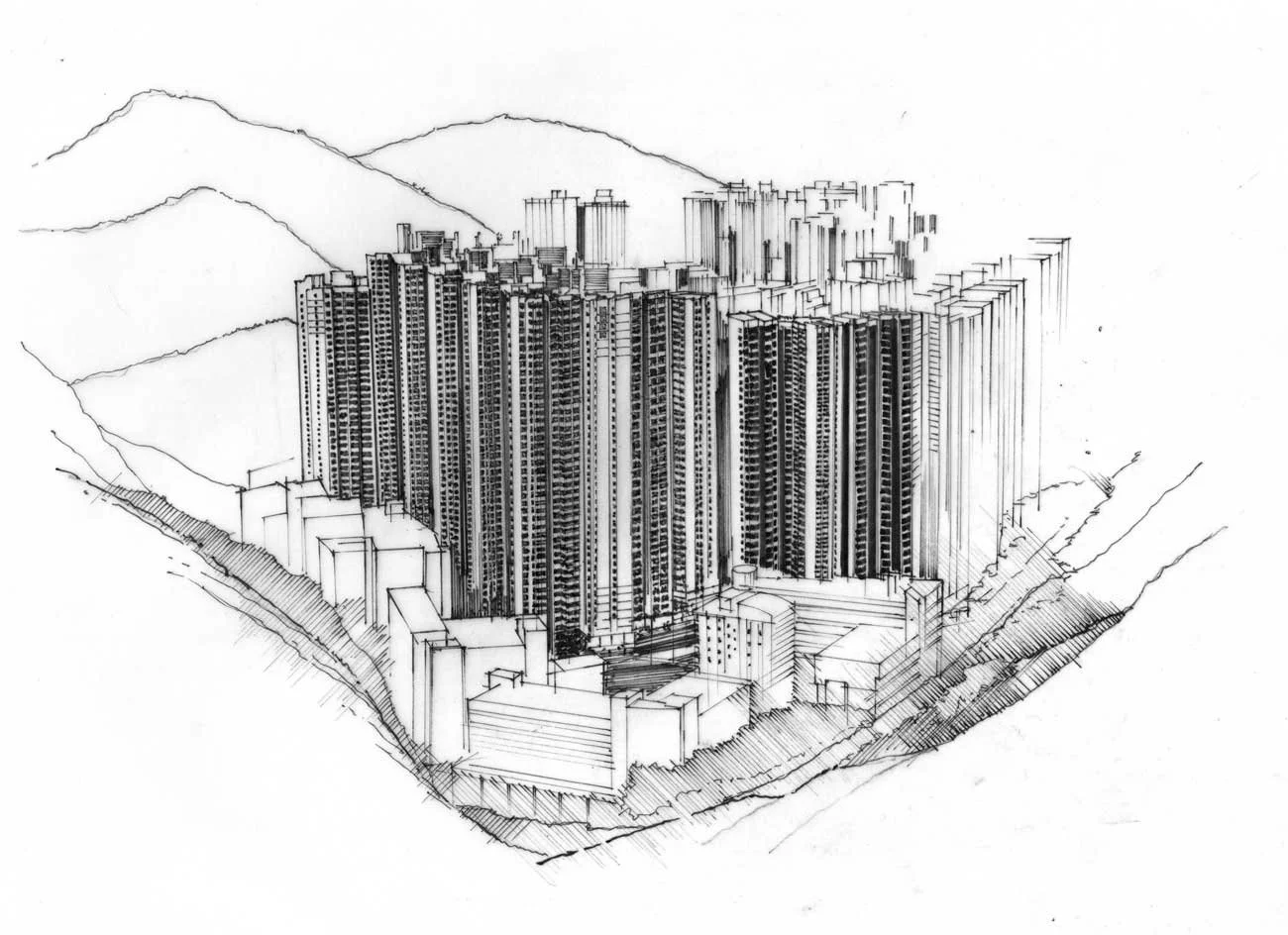
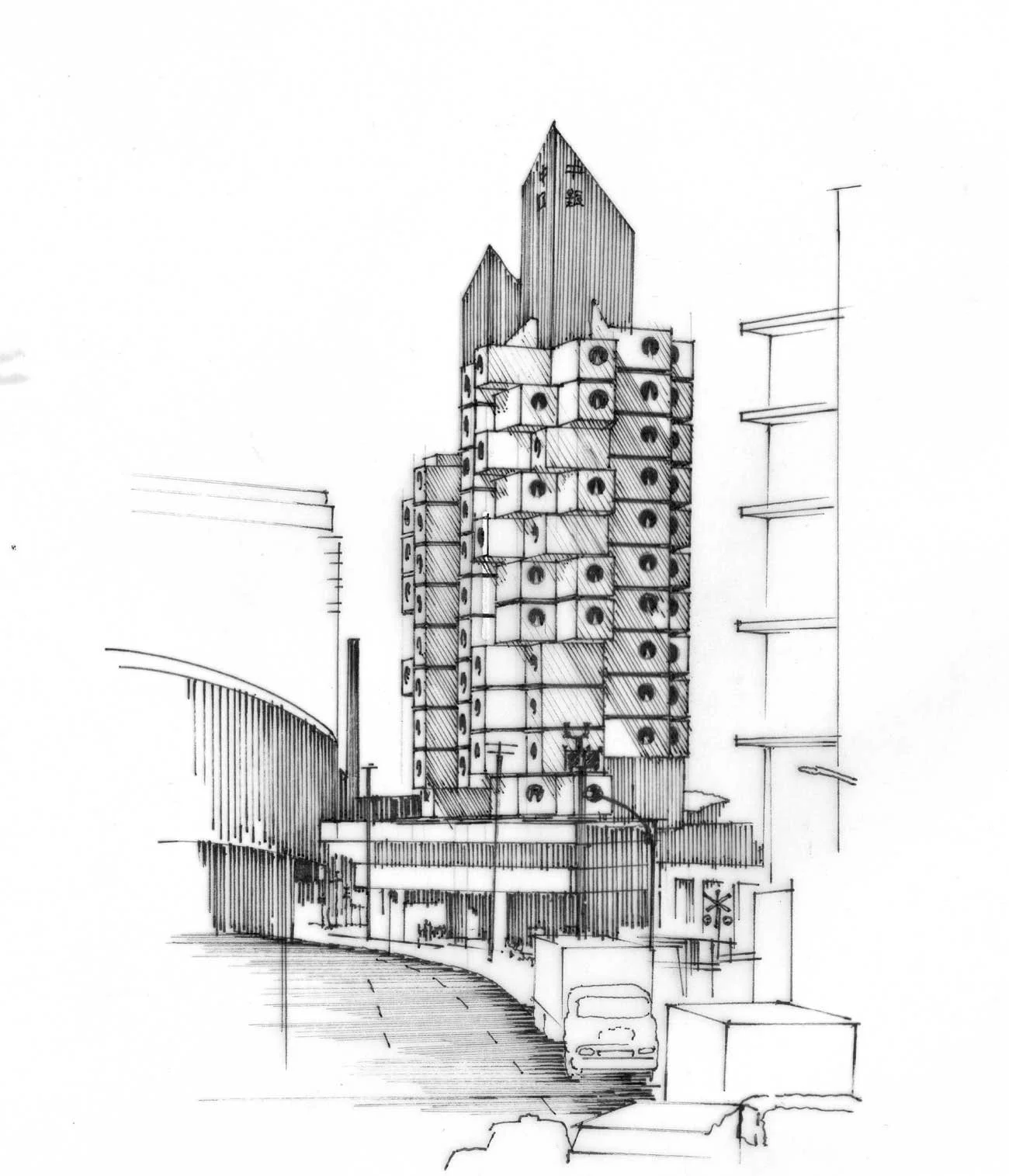
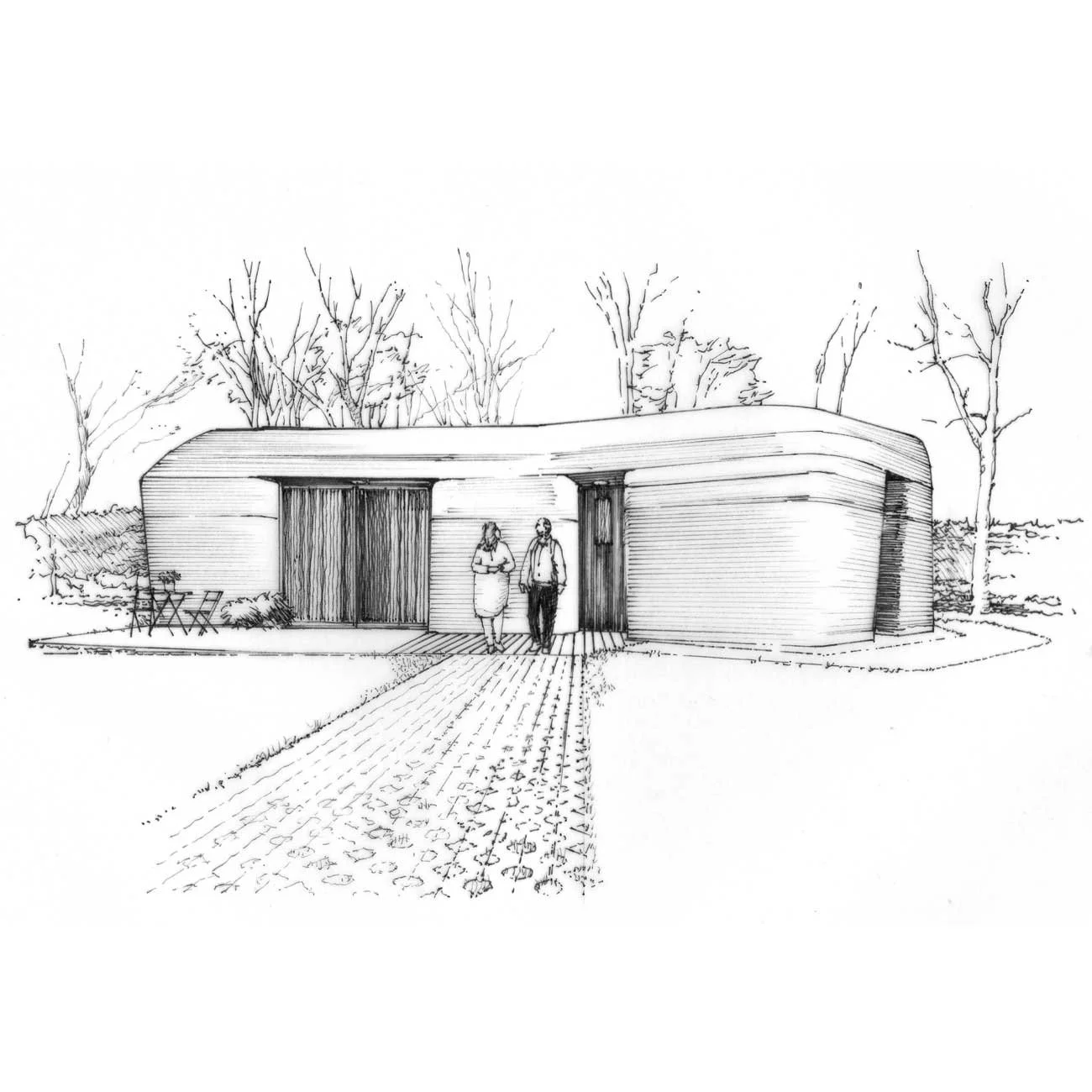
From tiny pit-houses in the Levant and Mesoamerica thousands of years ago to soaring skyscrapers in Dubai, New York, and Shanghai today, Dwelling on Earth takes readers on a swift and absorbing tour of the evolution of human habitation. Whisking readers from ancient Pompeii to contemporary Hong Kong, industrial-age Liverpool to postwar Levittown, Al shows how our choices in housing have both reflected and affected ideas about gender roles, privacy, and comfort. Discover how seemingly mundane elements—like door-knockers and corridors—have altered everyday interactions, and how material choices have remade the planet’s surface. He also confronts the darker side of domesticity, exposing the unintended consequences of our architectural choices across millennia, including smoke-filled Neolithic dwellings, deadly fires in crowded Roman apartment buildings, and worsening social isolation in car-dependent suburbs. Finally, he examines the myths and reality of future housing, including 3D-printed homes and space architecture built by robots.
Drawing from personal experiences across global cities and professional insights, Al illuminates how our choices in housing continue to influence everything from social relationships to climate change, ultimately arguing that understanding this rich history is crucial for building a more sustainable future. With billions more people needing housing in the coming decades, Dwelling on Earth reveals how we might transform humanity’s defining challenge into our greatest opportunity.
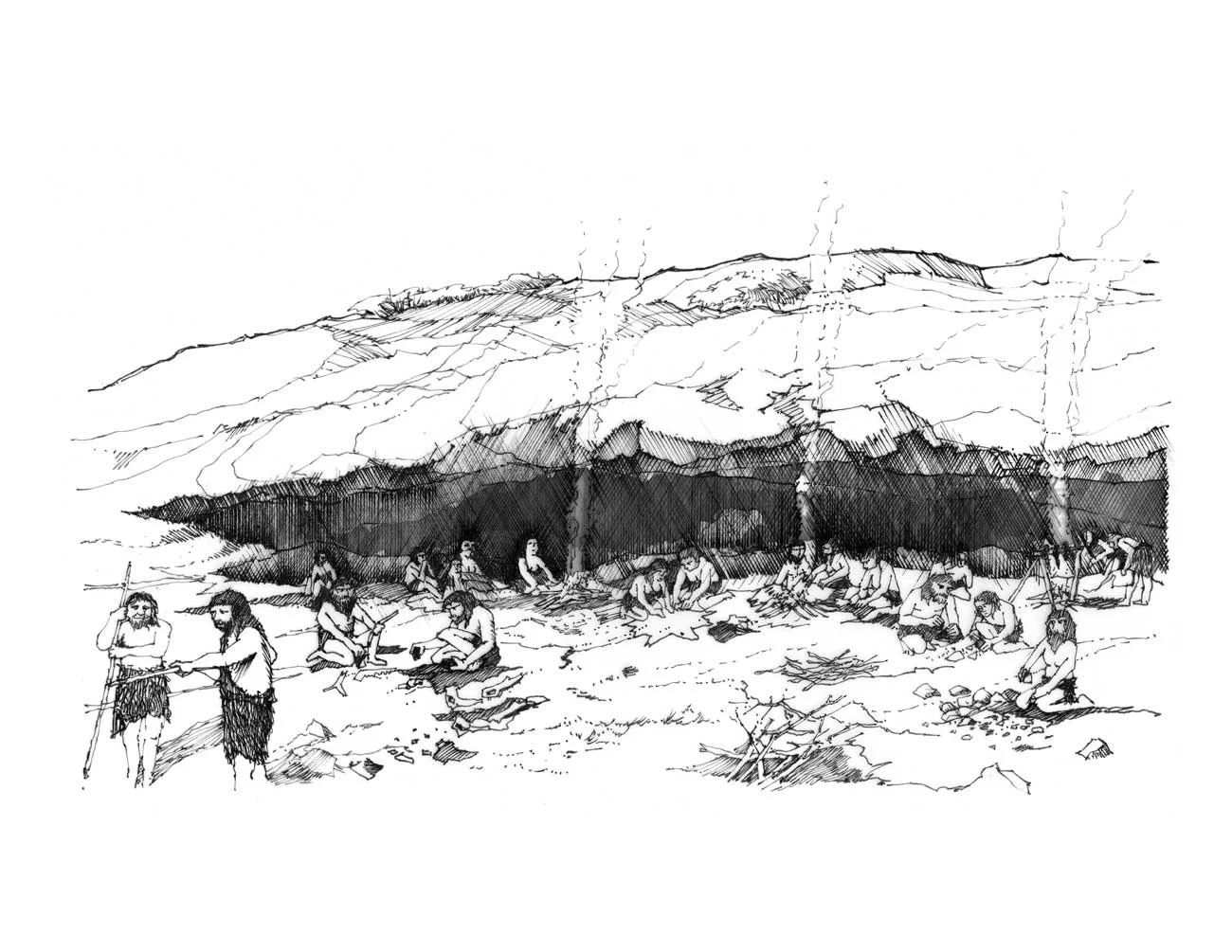
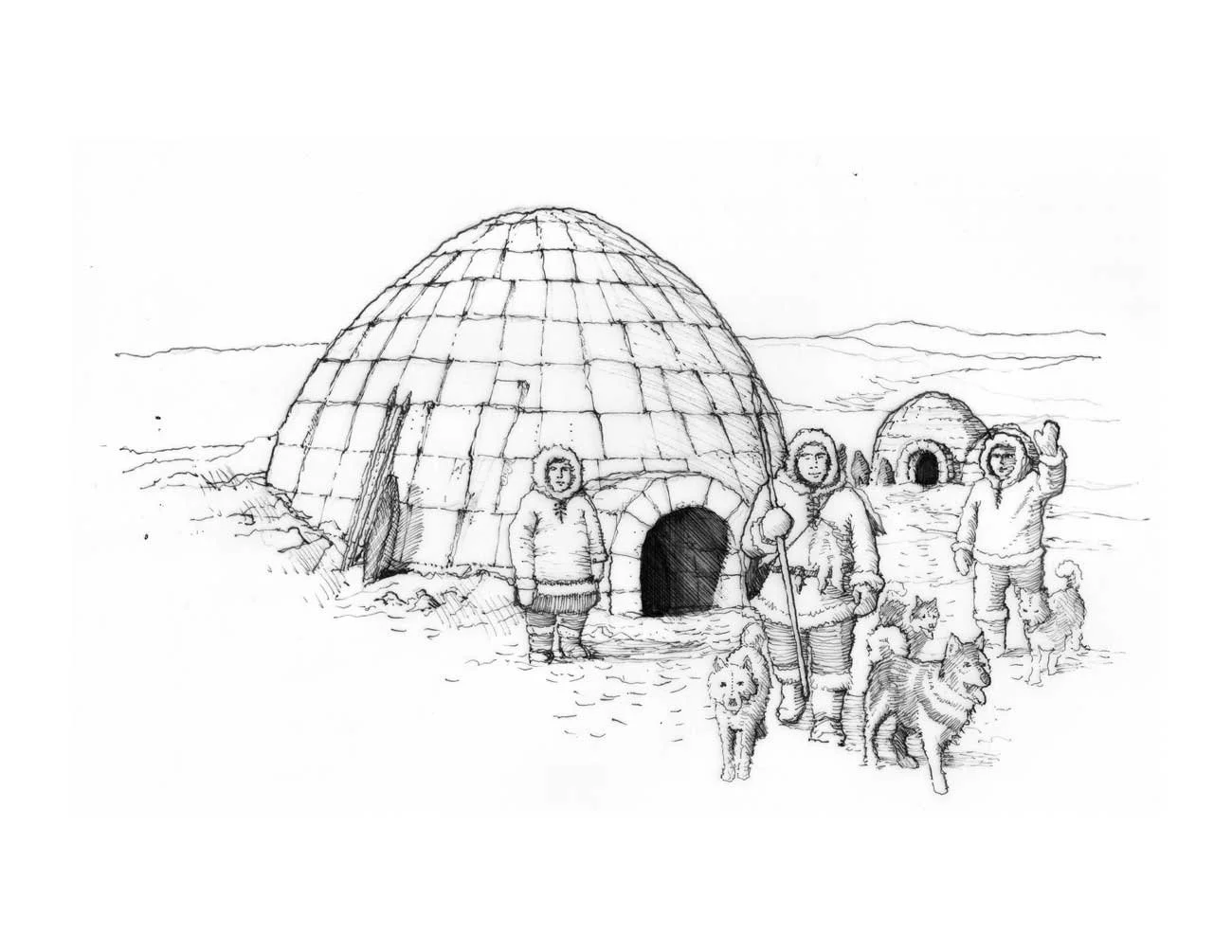
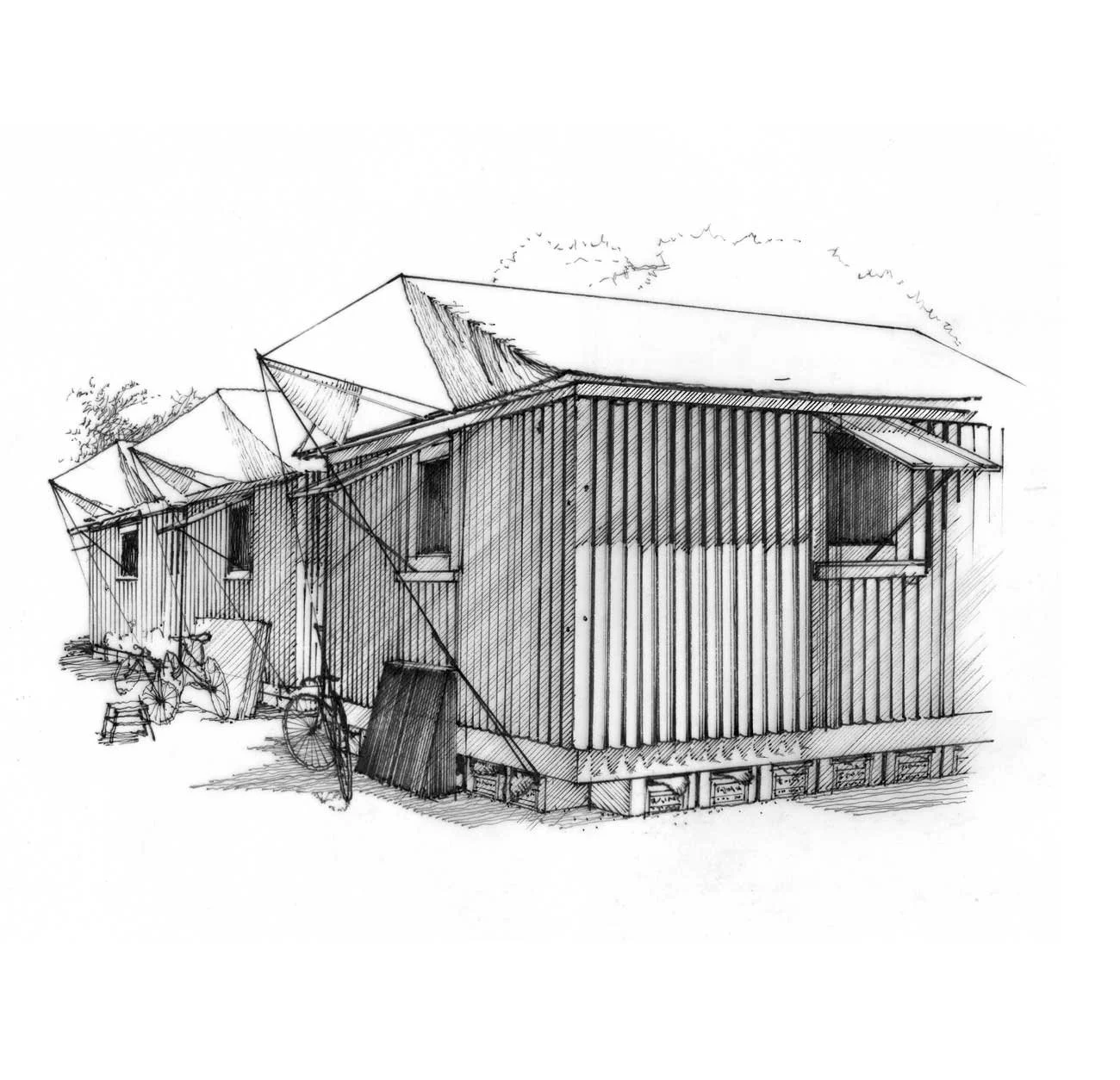
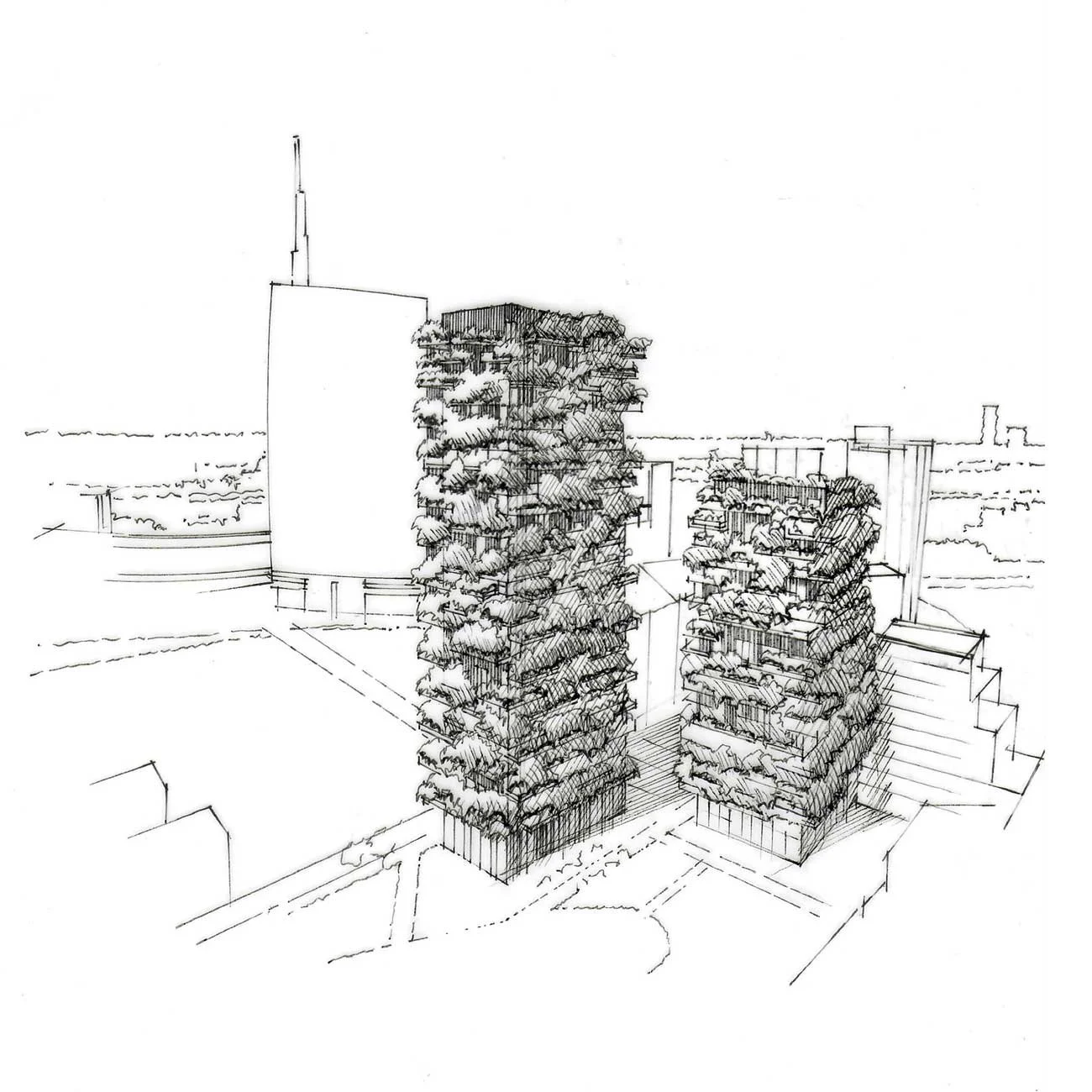
Illustrations by Dave Dugas.
6 x 9 in / 320 pages.

Reviews of Dwelling on Earth
”This interdisciplinary book is well-written, well-illustrated, and filled with fascinating anecdotes, making for a seamless, informative read that will appeal to a wide range of readers.”
—Library Journal (Starred review)
“Dwelling on Earth offers a spirited rendering of human living spaces through the ages, and Al conscientiously illustrates not only how and why our ingenious forebears built their homes, towns and cities, but he also reminds us how and why their improvident nature wrought persistent failures along the way.”
— Richard Horan, Irish Times
"Dwelling on Earth brings together archaeology, social history, architecture and environmental science brisk, entertaining survey that manages to compress 2 million years of human habitation into 258 pages."
—Christopher DeWolf, South China Morning Post
Praise for Stefan Al and Supertall
"A thoughtful inquiry into the new generations of skyscrapers. . . . There is a lot of rich history here, well and concisely told."
―Paul Goldberger, New York Times Book Review
"Gripping . . . [Stefan] Al explains these esoteric technical challenges in lucid fashion"
―Anthony Paletta, Wall Street Journal
"Stefan Al turns the jumbled skylines of our biggest cities into a powerful story of human possibility. . . . [T]his astonishing synthesis reveals how skyscrapers have made us who we are and can help us become who we want to be."
―Andrew Blum, best-selling author of Tubes and The Weather Machine
"[A] fascinating and necessary book."
―Gwendolyn Wright, professor of architecture, planning and preservation, Columbia University
What’s Inside
A two-million-year journey from rock shelter to lunar habitat, told through the homes that made us who we are.
Structured around the great pivots of human history — the agricultural revolution, the rise of cities, the industrial age, and the environmental and technological change now upon us.
We are niche constructors. Like beavers, we do not just adapt to nature — we reshape it. And our dwellings, in turn, have reshaped our trajectory, our societies, and our planet.
The chimney. The corridor. The elevator. The quiet inventions that transformed daily life more than any war or king.
More of what humanity has built — and more of what our buildings consume — is residential than anything else. The future of the planet runs through the front door.
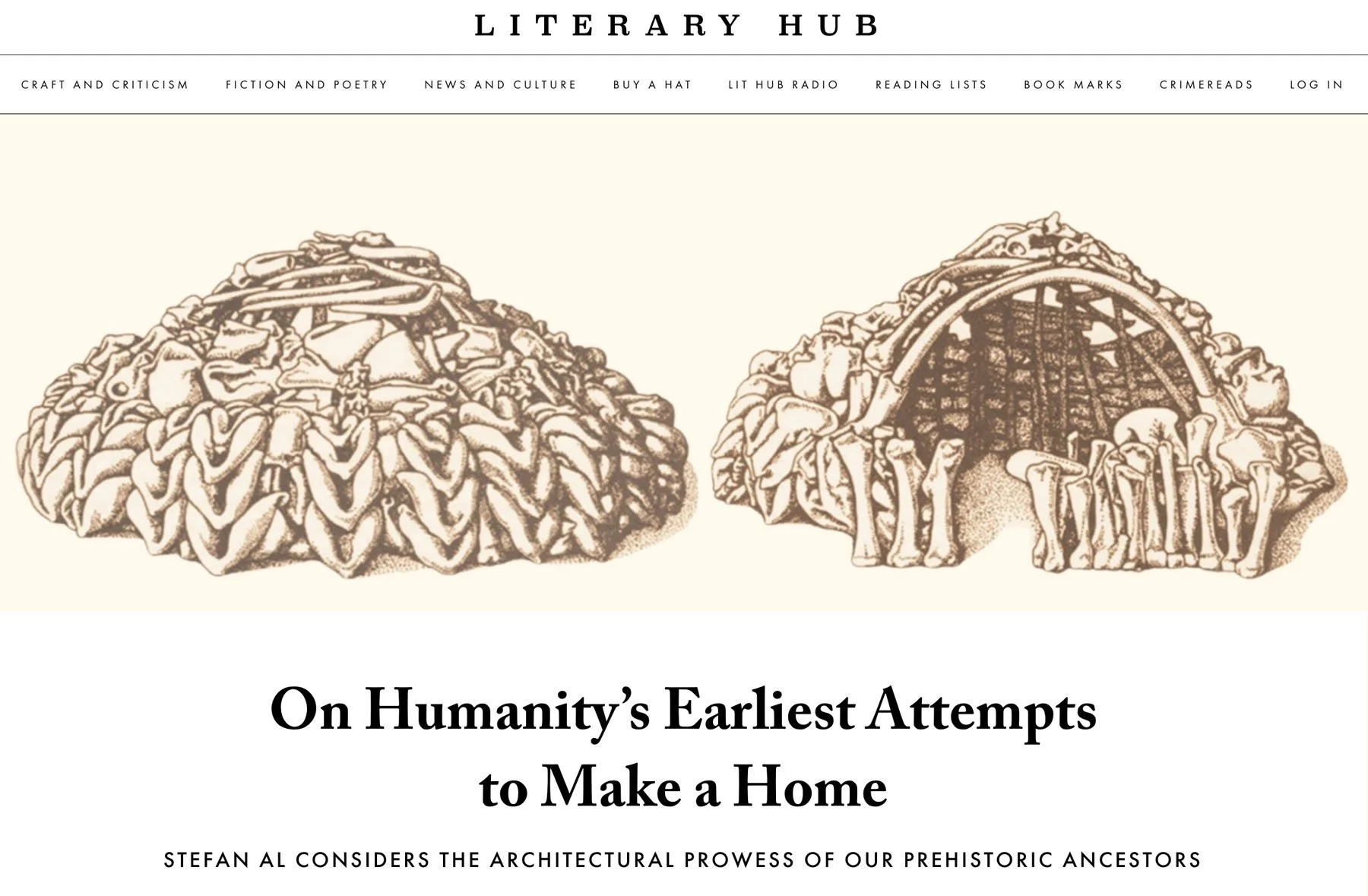
Read excerpt on Literary Hub
Stefan Al on the Inspiration for Dwelling on Earth
I've lived in strikingly varied homes—a Dutch row house where I cycled safely to school, a communal student residence in Delft with kitchens built for connection, a tiny apartment in Barcelona's lively old town, a cleverly compact Hong Kong pencil tower, and later to American suburban homes from California to New Jersey.
Living in these spaces revealed how deeply they shaped my daily life, relationships, and worldview. That personal journey sparked larger questions about how homes influence our social bonds, our sense of self, and our environmental footprint.
As a professor of architecture and urban planning who has researched housing worldwide, I became fascinated by the full arc of human habitation—from the first rock shelters to today's skyscrapers—and what our ancestors' dwelling innovations can teach us about building tomorrow's homes in harmony with human needs and the planet.
About the Author

Stefan Al, PhD, RA is a New York-licensed architect, tenured professor, and the author and editor of ten books including Dwelling on Earth, Supertall, and The Strip, which won a Silver Medal at the Independent Publisher Book Awards. His work has been reviewed in the New York Times and Wall Street Journal, and he has appeared on CNN, NPR, and the Science Channel. A former TED Resident, he has designed buildings and masterplans worldwide, including the 2,000-foot Canton Tower—briefly the world's tallest. He lives with his family in a century-old house in New Jersey.