Research
Research
Research on the physical city and its urban form: how it came to be, what forces shape it, how it affects people's everyday experience, and how design can improve it.
The work studies urban types across the world and how they respond to environmental, technological and social change. It tries to connect everyday experience of the city to the regulations, financing and social conditions that produce it, and to point to a way forward. That means drawing on many fields, from architecture, planning and real estate to environmental science and archaeology.
Five lines of research
- 01Sustainable and resilient urbanismHow should we build for a hotter, wetter planet?
- 02Sustainable mobility and urban formWhat happens to streets when cities are planned for places, not only for movement?
- 03High-density developmentWhat do height and density do to cities and to the people who live in them?
- 04Commercial urbanism and the public realmWhat makes a retail street work, and what happens to public life when commerce builds the city?
- 05Informal and bottom-up urbanismHow do cities take form without a plan, and what should planning learn from it?
Sustainable and resilient urbanism
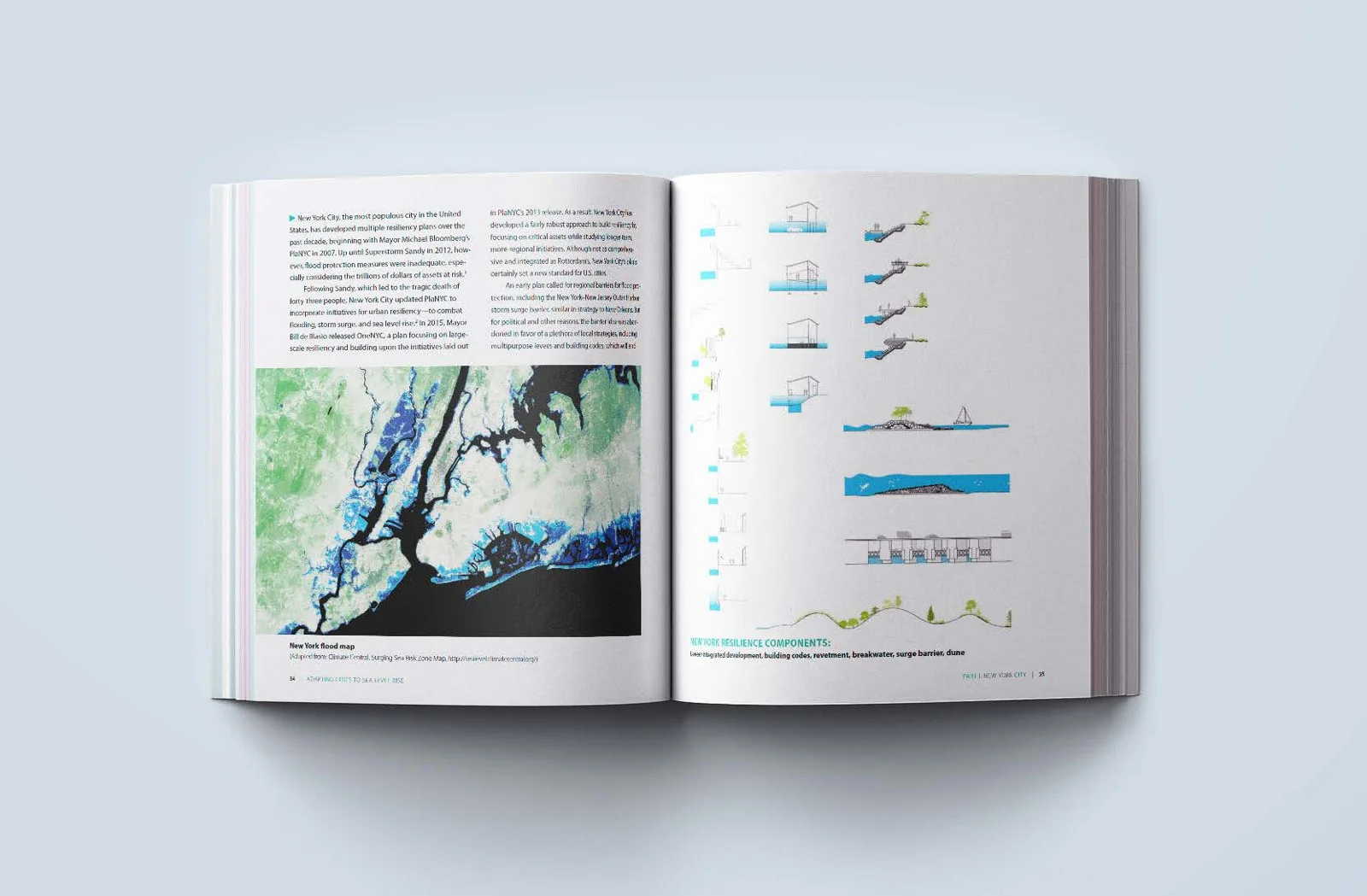
Dwelling on Earth draws on archaeology, social history, engineering and environmental science to trace how human habitation has shaped, and been shaped by, ideas of privacy, health and the environment. Adapting Cities to Sea Level Rise analyzes dozens of cases that combine flood protection with public space.
- BookDwelling on Earth
- BookAdapting Cities to Sea Level Rise
- ArticleMulti-functional urban design approaches to manage floods: Examples from Dutch cities
- EssayThe Dutch Canal House: Six Feet Below Sea Level
- EssayThe Concrete Jungle Is Turning Green Again
- Design research3D Printed Cooling Partitions
- Design researchPoroCity
- ExhibitionPearl River Delta Special Ecological Area
- Design researchGenerative Bamboo Installations
Sustainable mobility and urban form
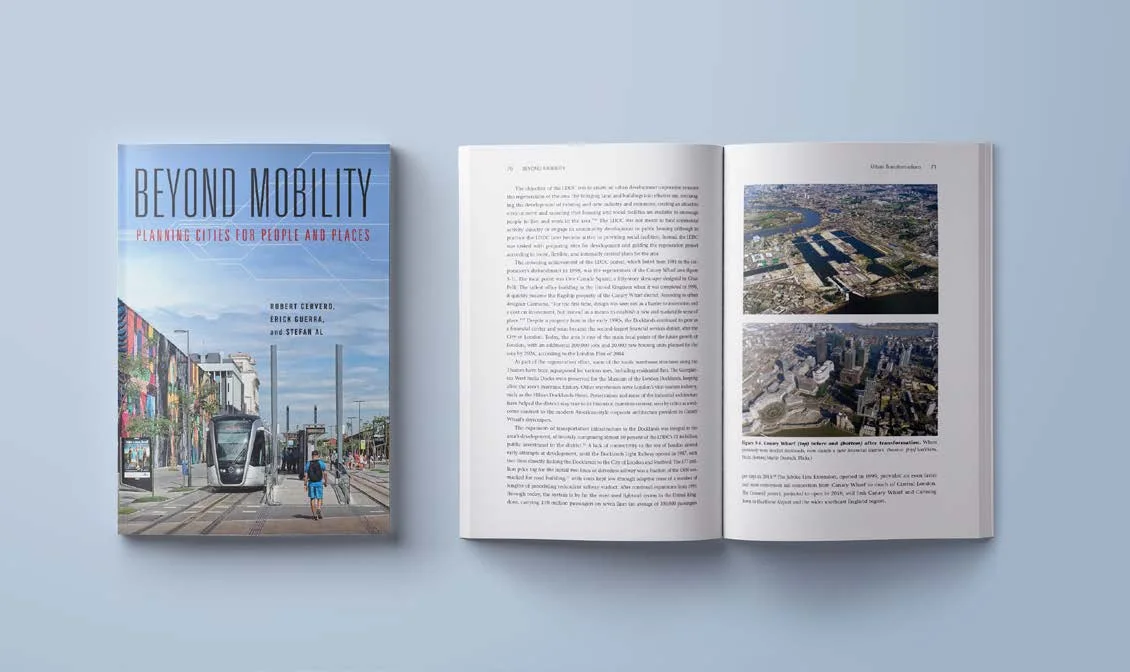
Beyond Mobility, with Robert Cervero and Erick Guerra, makes the case for recalibrating cities away from motorized movement toward place-making and accessibility. The work extends to driverless vehicles and their effects on cities, and to how streets might be reclaimed from parking for walking, cycling and greenery.
High-density development
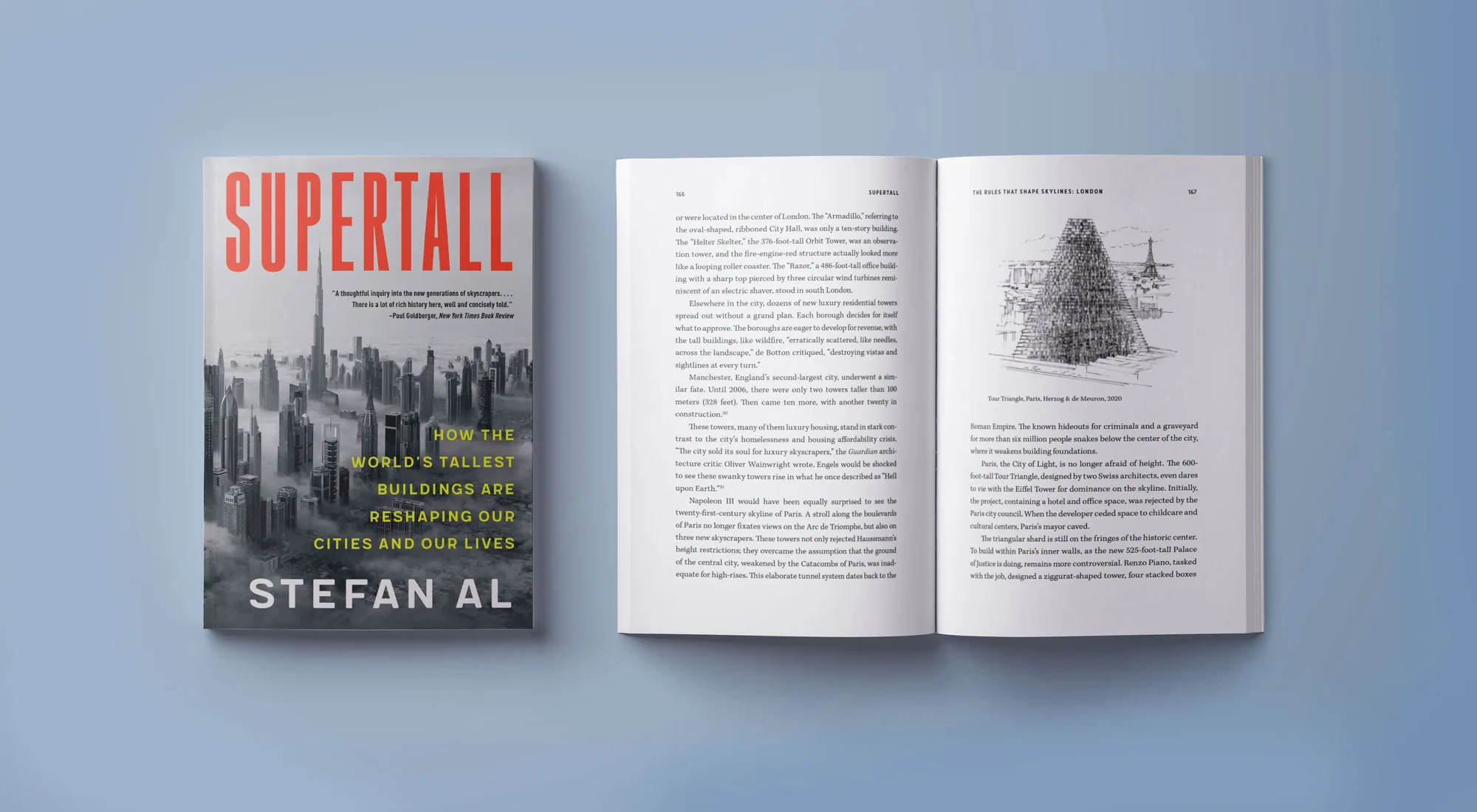
Supertall examines how the new generation of tall buildings is reshaping cities, drawing on zoning regulations, engineering reports and archival material. Earlier work on Hong Kong studies the podium-tower type, where malls, transit and towers are stacked into one structure.
Commercial urbanism and the public realm
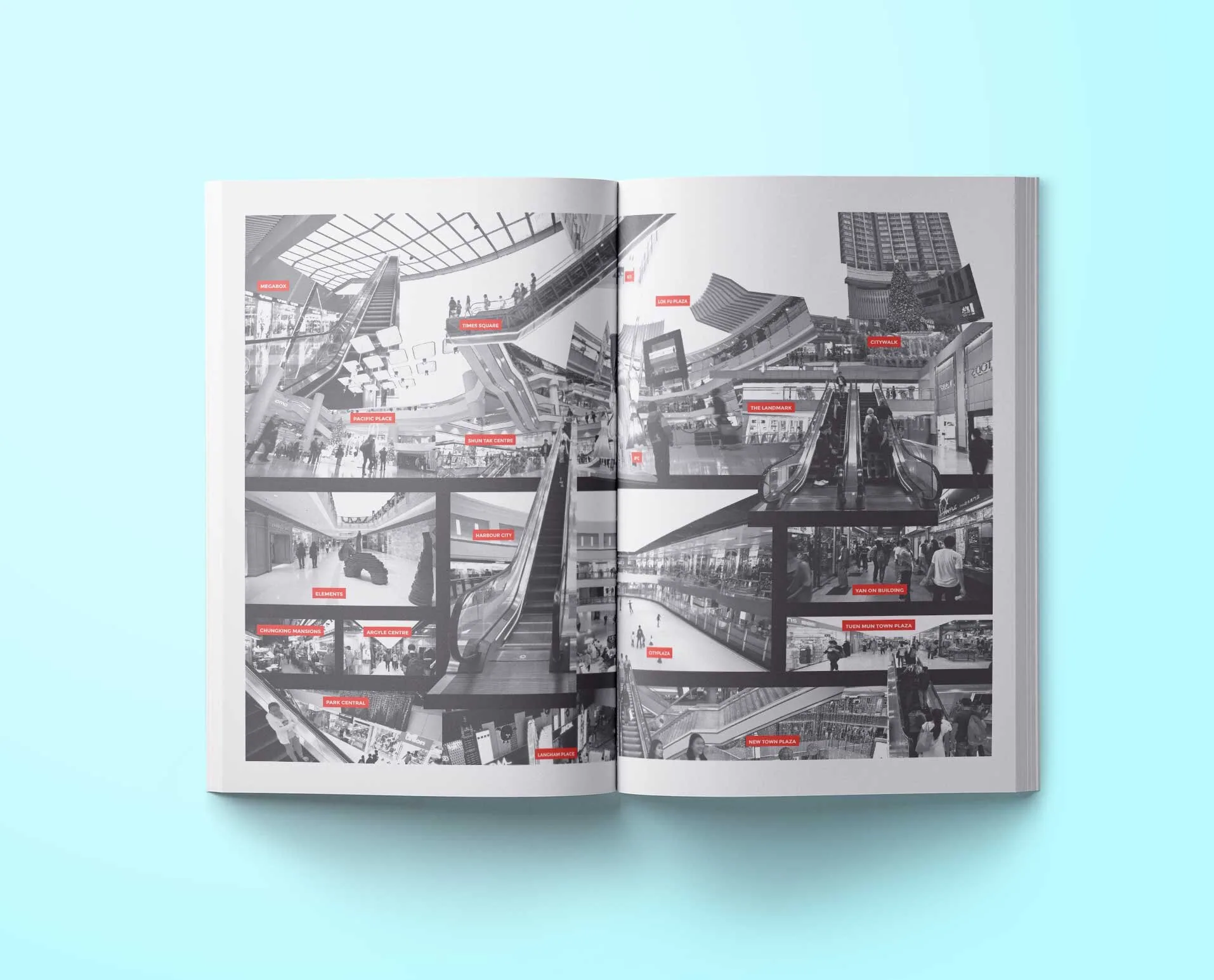
Retail and other commercial uses change faster than almost any other part of the city, and they can either enrich the public realm or erode it. The Strip reconstructs the transformations of Las Vegas from archival promotional material and construction drawings; Mall City and Macau and the Casino Complex follow the question into Hong Kong's malls and Macau's casinos. A newer strand turns to the ordinary retail street: its history, why some streets thrive while others empty out, and what design can do about it.
- BookThe Strip: Las Vegas and the Architecture of the American Dream
- BookMall City: Hong Kong's Dreamworlds of Consumption
- BookMacau and the Casino Complex
- EssayHistory of Retail Space
- ReviewHow to save traditional shopping streets: the place attraction paradigm, by Matthew Carmona
- EssayAll under one roof: how malls and cities are becoming indistinguishable
- EssayThe Mall Isn't Dead. It's Just Changing
- ExhibitionThe Evolution of the Las Vegas Strip
- ExhibitionMall City
Informal and bottom-up urbanism
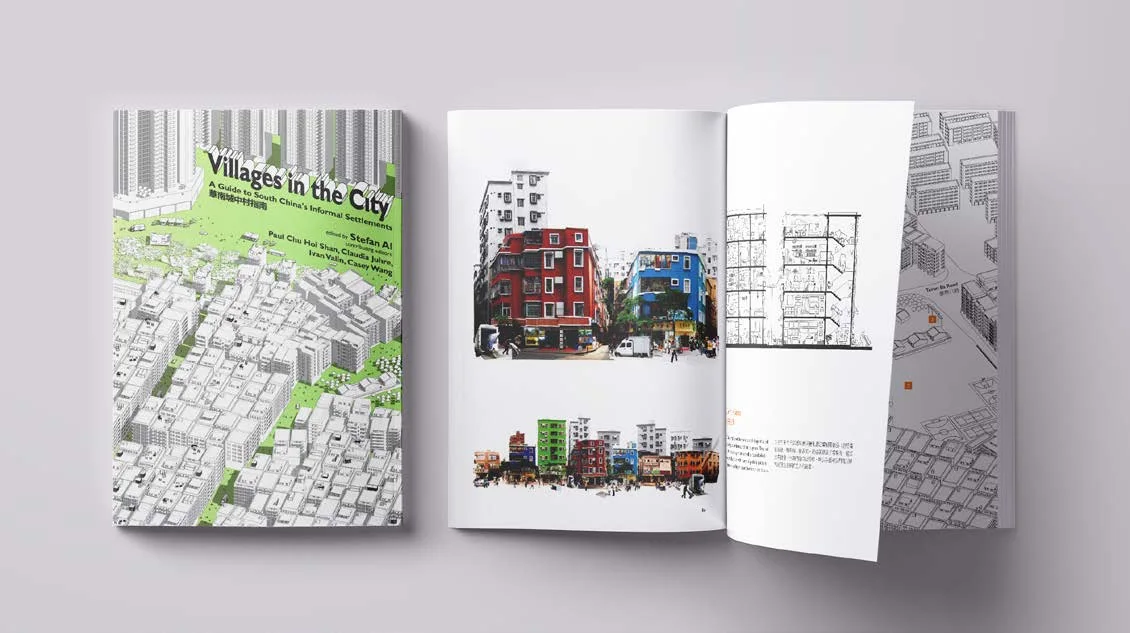
This line began in South China, while directing the urban design program at the University of Hong Kong, with the urban villages and factory towns that house migrant workers. Villages in the City and Factory Towns of South China document them through maps, sections and fieldwork, and argue for their social and spatial value. Current work takes the question into deep history: how the first cities emerged before there were plans.
- BookVillages in the City: A Guide to South China's Informal Settlements
- BookFactory Towns of South China
- ChapterResearching Informal Settlements in Urban Design
- ChapterBottom-Up Urbanism in China: Urban Villages and City Development
- ChapterSpaces of Informal Production in China
- EssayUrbanism Before the Plan
- EssayWhat the Fall of Earth’s Largest Pre-Industrial City Can Teach Us About Urban Sprawl
- ExhibitionNY ♥ SZ Villages
- ExhibitionManufacturing the Border
Where the themes meet
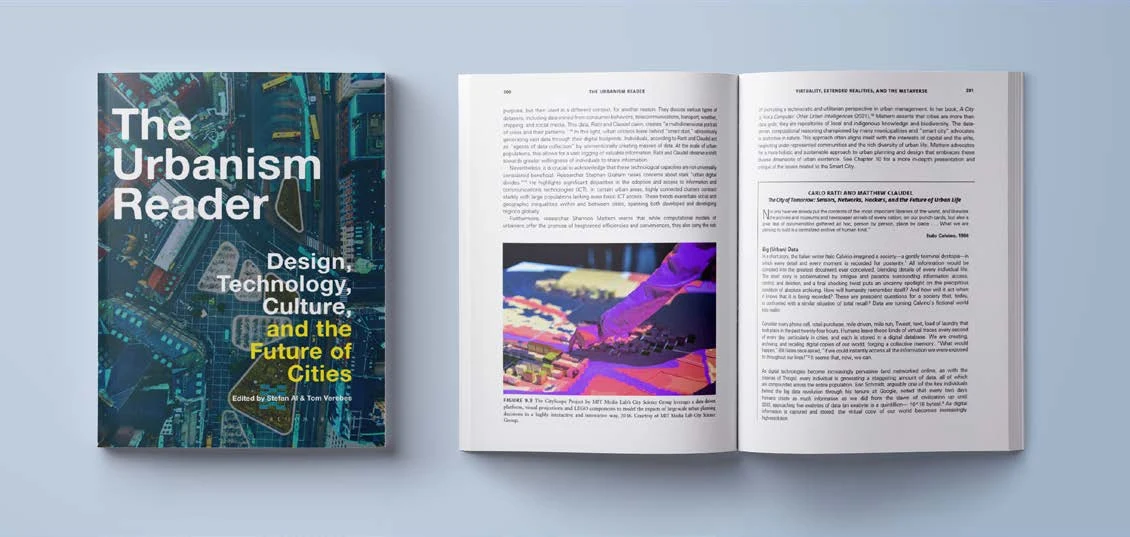
The Urbanism Reader, co-edited with Tom Verebes, gathers forty-five classic and contemporary texts that position design as an instrument of urban change, and closes with readings on AI and virtual reality.
Formlume
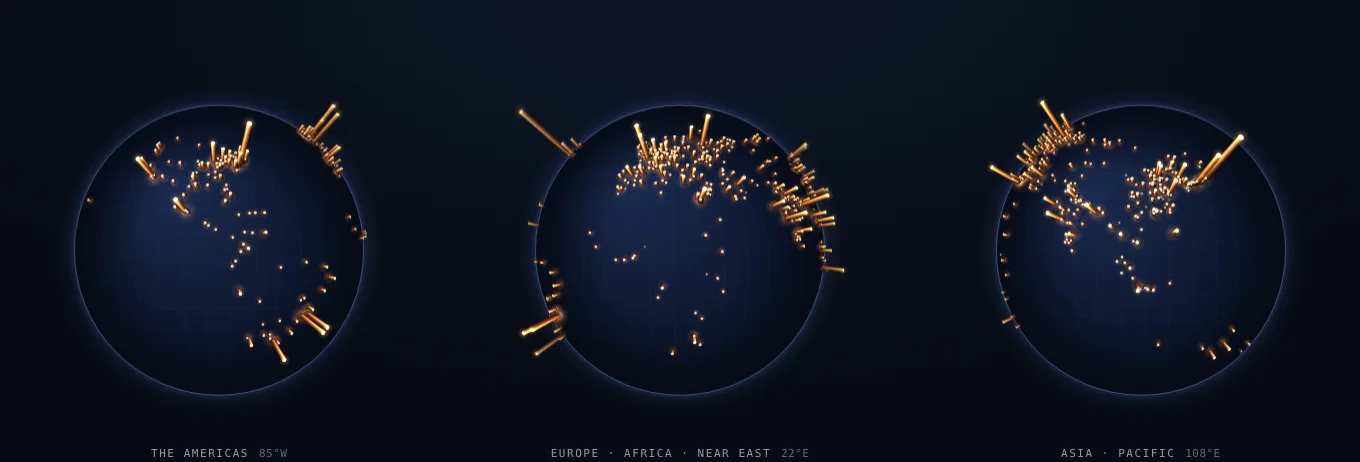
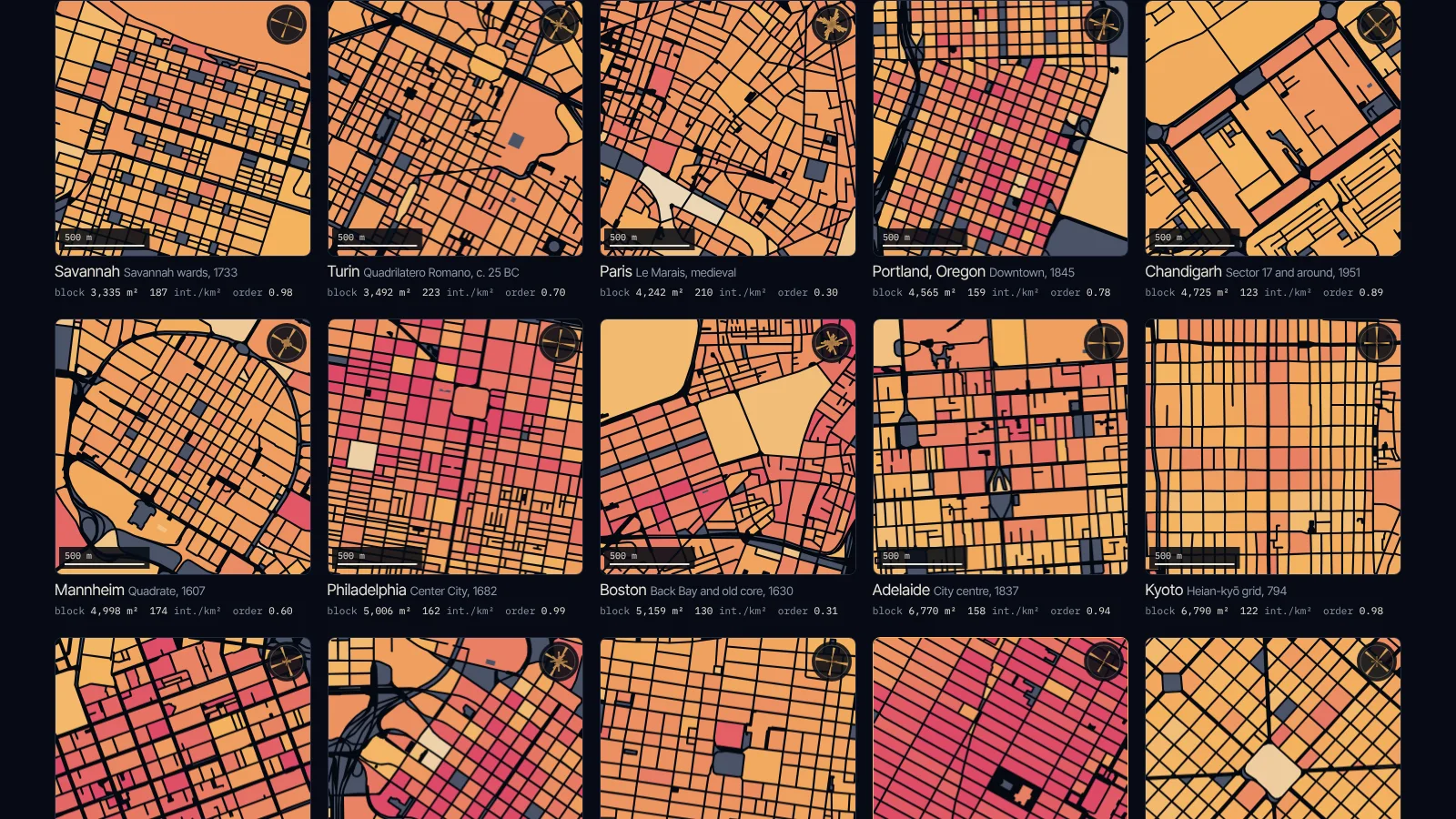
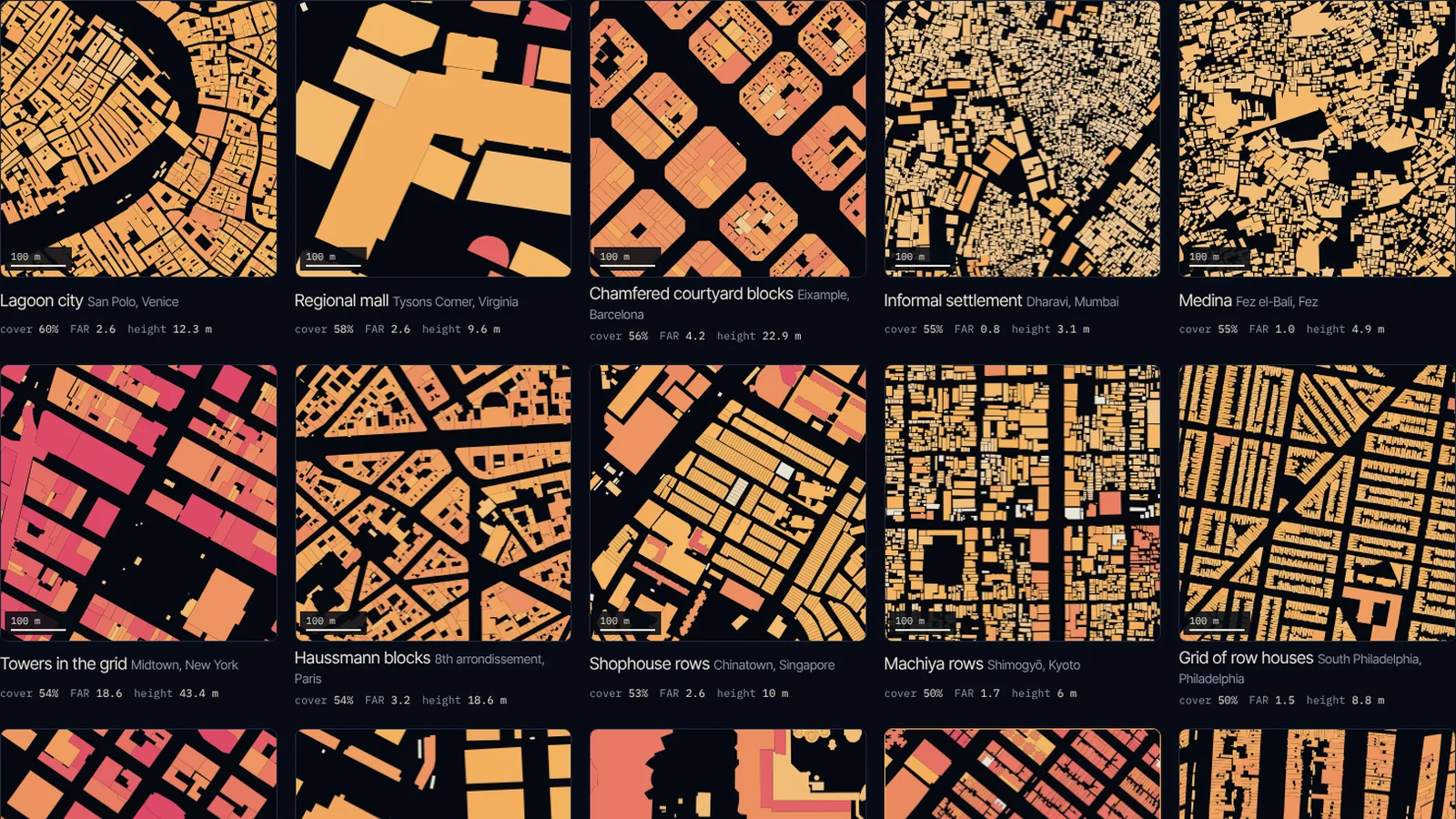
Formlume is the visual side of this research: atlases of cities drawn from open data. The first three are below; more follow each week.
Publications and collaboration
The full list of books, chapters and articles, and how to get in touch about research.